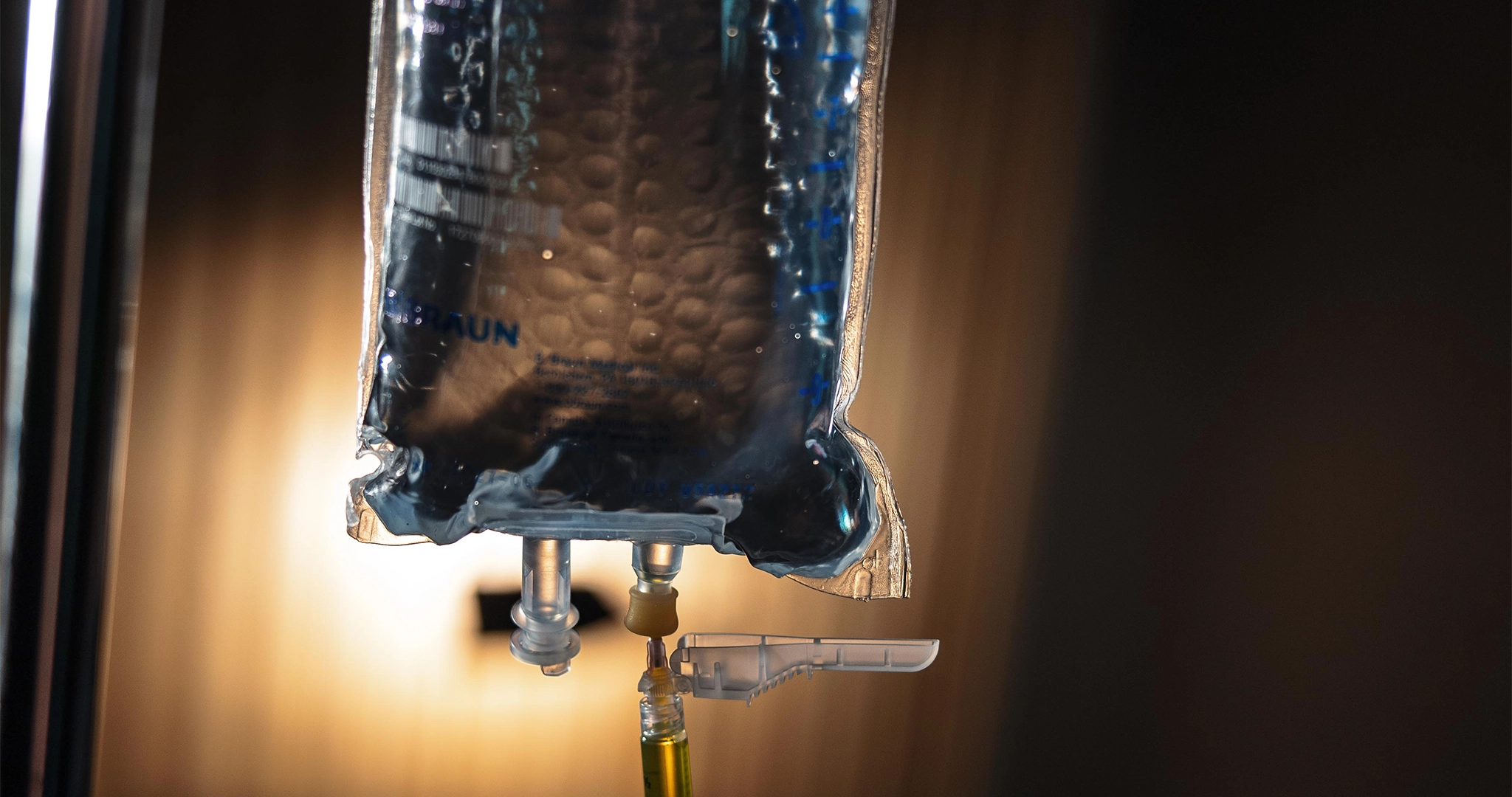
What is NAD+?
NAD+ (nicotinamide adenine dinucleotide) is a critical coenzyme present in every living cell that acts as a primary electron transporter for mitochondrial ATP production and a required substrate for DNA-repair enzymes. In simple terms, NAD+ is your body’s metabolic currency; without sufficient levels, cellular energy production stalls, sirtuin longevity proteins deactivate, and the cell loses its ability to repair structural damage and adapt to stress.
Why does NAD+ matter?
Systemic NAD+ concentrations systematically decline with age, dropping by up to 50% by midlife. This biological depletion directly correlates with compromised mitochondrial density, impaired cellular clearance, and accelerated tissue senescence. Preclinical and emerging clinical trials evaluating precursors like nicotinamide riboside (NR) and nicotinamide mononucleotide (NMN) confirm that maintaining physiological NAD+ pools preserves metabolic flexibility, muscle stamina, and genomic stability over time.
The availability of NAD+ dynamically governs the following intracellular variables:
- Sirtuin Enzymatic Activation: NAD+ acts as an obligatory co-factor for SIRT1–SIRT7 proteins, which regulate epigenetic integrity, mitochondrial biogenesis, and systemic stress resilience.
- Mitochondrial Respiration & ATP Yield: NAD+ shuttles high-energy electrons within the Krebs cycle to power oxidative phosphorylation, fueling neuromuscular contraction and recovery.
- PARP-Mediated DNA Repair: Poly(ADP-ribose) polymerases depend heavily on NAD+ supplies to detect and repair single-strand DNA breaks caused by metabolic oxidative stress.
The Key Distinction: Optimized Cellular Bioenergetics vs. NAD+ Depletion
- Optimized Bioenergetics (High NAD+ Pool): Robust ATP synthesis, rapid DNA damage clearance, efficient lipid oxidation, and heightened resistance to metabolic fatigue during physical exertion.
- NAD+ Depletion (Low NAD+ Pool): Mitochondrial dysfunction, impaired cellular waste removal, elevated accumulation of oxidative damage, and systemic bioenergetic fatigue.
Key Takeaway: You cannot supplement or train around a depleted cellular engine. Sustaining high NAD+ availability is a foundational prerequisite for biological resilience, physical output, and healthy aging.
How The LIV Method Supports Cellular Energy Architecture
At The LIV Method, we do not rely on passive anti-aging trends or unverified supplement hype. We view cellular health as an integrated physiological variable, engineering targeted exercise and lifestyle protocols that naturally stimulate endogenous NAD+ salvage pathways.
We support your cellular health through three precise programming vectors:
- Metabolic Stress Integration: We structure specific high-intensity interval conditioning and resistance protocols that activate AMPK (AMP-activated protein kinase), directly upregulating the NAMPT enzyme responsible for recycling NAD+ within skeletal muscle.
- Circadian & Recovery Optimization: We align physical training loads with metabolic circadian rhythms, protecting sleep architecture to allow nocturnal DNA repair pathways to utilize cellular NAD+ efficiently.
- Integrated Health Coaching & Bio-Pacing: We collaborate with medical professionals to evaluate longevity biomarkers, guiding clients through evidence-based dietary, lifestyle, and precursor supplementation strategies tailored to their metabolic profile.
Frequently Asked Questions
Can oral NAD+ precursors like NR or NMN replace the need for physical exercise?No. While oral precursors provide the raw chemical building blocks for NAD+ synthesis, they do not generate the mechanical strain, calcium flux, or acute energetic demands required to activate mitochondrial biogenesis enzymes like PGC-1$\alpha$. At The LIV Method, we utilize targeted exercise as the primary driver, with supplementation acting strictly as a supportive co-factor.
Does high alcohol consumption directly deplete my cellular NAD+ levels?Yes. The hepatic enzyme alcohol dehydrogenase requires significant amounts of NAD+ to metabolize ethanol into acetaldehyde and acetate. Excessive alcohol consumption drains your systemic NAD+ pool, leaving fewer co-factors available for mitochondrial ATP production, DNA repair, and sirtuin activation.
How do I know if my training routine is supporting mitochondrial health or causing bioenergetic burnout?If your training volume consistently outpaces your structural recovery capacity, you drive chronic systemic inflammation that consumes vast amounts of cellular NAD+ via PARP enzyme activation. At The LIV Method, we continuously track movement velocity, HRV, and fatigue markers to ensure your workouts stimulate mitochondrial adaptation rather than cellular exhaustion.